Blog

  • 7 Things Every Top-Rated Tattoo Shop Has in Common

    7 Things Every Top-Rated Tattoo Shop Has in Common

    Getting a tattoo is more than just body art it’s a lifelong commitment. Whether you’re searching for a tattoo shop near me, planning your first piece, or looking for the best tattoo shop in Brooklyn, knowing what separates an average studio from a top-rated tattoo shop makes all the difference.

    At Here Tattoo Shop, we’ve seen firsthand what clients value most in a local tattoo shop—from spotless studios to experienced tattoo artists who truly understand your vision. If you’re considering a walk-in tattoo shop, a detailed sleeve, or even a cosmetic tattoo shop experience like microblading, this guide will help you understand what the best studios always have in common.

    Let’s break down the seven qualities that define excellence in the tattoo industry.

    1. Licensed, Professional Tattoo Artists

    A top-rated tattoo shop always operates as a licensed tattoo shop with certified, safety-trained professionals.

    At a reputable tattoo studio in Brooklyn, you’ll find:

    • Professional tattoo artists with verified credentials
    • At least one highly experienced tattoo artist specializing in detailed work
    • Often a talented female tattoo artist for clients who prefer that option
    • Artists recognized in an award-winning tattoo studio environment

    For styles like realism or portraiture, working with a skilled portrait tattoo artist in a dedicated realism tattoo studio ensures accuracy and longevity.

    At Here Tattoo Shop, every artist undergoes strict training and adheres to New York health regulations because your safety comes first.

    2. Clean, Sterile Tattoo Studio Standards

    A clean tattoo shop is non-negotiable.

    Top studios maintain:

    • Hospital-grade sterilization equipment
    • Single-use needles
    • Sanitized workstations
    • Documented hygiene procedures

    A sterile tattoo studio isn’t just about appearances it’s about preventing infections and ensuring proper healing. Whether you’re getting small tattoos or a full sleeve, hygiene standards must be uncompromising.

    When clients search for a tattoo and piercing near me, cleanliness is the first thing they should evaluate.

    3. Custom Design Expertise

    The best shops aren’t template factories they’re custom tattoo shops.

    A leading tattoo shop offers:

    • Personalized design sessions
    • A tattoo consultation near me option (both scheduled and walk-in)
    • Skilled artists who adapt artwork to your body placement

    From matching tattoos and couple tattoos to meaningful memorial tattoos, customization ensures your ink reflects your story.

    Here Tattoo Shop specializes in collaborative design, ensuring every client leaves with something uniquely theirs.

    4. Diverse Tattoo Styles Under One Roof

    Top studios are versatile. A high-quality tattoo studio in Brooklyn should offer multiple specialties, including:

    Fine Line & Minimalist Work

    A reputable fine line tattoo shop or minimalist tattoo studio excels in delicate, detailed pieces perfect for first-timers and subtle ink lovers.

    Black & Grey and Realism

    A true black and grey tattoo studio or realism tattoo studio requires advanced shading techniques and precision.

    Color & Watercolor

    A professional color tattoo shop or watercolor tattoo shop demonstrates strong pigment knowledge and blending skills.

    Traditional & Cultural Styles

    Look for a skilled traditional tattoo shop, Japanese tattoo studio, tribal tattoo studio, or even a geometric tattoo shop for bold, heritage-inspired art.

    Versatility is what separates a standard local tattoo shop from the best tattoo shop in Brooklyn.

    5. Transparent Pricing & Consultation Process

    Trustworthy studios are clear about pricing. Whether you’re searching for an affordable tattoo shop, a cheap tattoo shop for simple work, or a high-end tattoo studio for premium custom art, transparency matters.

    Top shops offer:

    • Free or low-cost consultations
    • Clear hourly rates
    • Honest estimates for large projects like a sleeve tattoo shop service
    • Clear information about touch-ups

    A 24-hour tattoo shop may offer flexibility, but quality and clarity should never be sacrificed for convenience.

    6. Comprehensive Body Art Services

    Leading studios often go beyond tattoos.

    A full-service body art studio may include:

    • A piercing and tattoo shop setup
    • Licensed body piercing shop services
    • A dedicated microblading studio within a cosmetic tattoo shop
    • Professional tattoo removal shop options

    Clients searching for tattoo and piercing near me appreciate having everything under one roof especially in a busy downtown tattoo shop environment.

    7. Strong Reputation & Community Trust

    Reputation is everything.

    The best tattoo shop in Brooklyn will have:

    • Consistent 5-star reviews
    • Word-of-mouth referrals
    • Visible healed work portfolios
    • Active social media showcasing real results

    A true top-rated tattoo shop earns its reputation through craftsmanship, consistency, and customer care.

    Here Tattoo Shop has built its name by combining professionalism, artistry, and a welcoming atmosphere making it a trusted local tattoo shop for Brooklyn residents.

    Practical Tips for Choosing the Right Tattoo Shop

    1. Always verify it’s a licensed tattoo shop.
    2. Inspect cleanliness before booking.
    3. Review healed tattoo photos, not just fresh ink.
    4. Schedule a tattoo consultation near me before committing.
    5. Match your style (fine line, realism, Japanese, tribal, etc.) with the right specialist.
    6. Ask about aftercare guidance and touch-up policies.
    7. Compare affordability without compromising safety or quality.

    FAQs

    What should I look for in a tattoo shop near me?

    Look for licensing, cleanliness, experienced tattoo artists, style specialization, and strong reviews.

    Is a walk-in tattoo shop safe?

    Yes if it maintains sterile standards and licensed artists. Always inspect the studio first.

    Are cheap tattoo shops worth it?

    A cheap tattoo shop can be fine for small tattoos, but prioritize safety and artist skill over price alone.

    How do I choose between a color tattoo shop and black and grey tattoo studio?

    It depends on your design. Color works best for vibrant pieces, while black and grey tattoo studios excel at realism and shading.

    Do top-rated tattoo shops offer tattoo removal?

    Many modern studios include tattoo removal shop services or partner with licensed removal specialists.

    Conclusion

    Not all tattoo shops are created equal. A true tattoo shop stands out through professionalism, cleanliness, artistic versatility, transparency, and community trust.If you’re searching for a tattoo shop near me, a custom tattoo shop, or the best tattoo shop in Brooklyn, Here Tattoo Shop delivers the quality, safety, and artistry you deserve. Whether it’s small tattoos, a full sleeve, memorial tattoos, or cosmetic enhancements, our experienced team is ready to bring your vision to life.

  • HVAC Duct Cleaning Checklist What a Trusted Contractor Should Actually Do

    HVAC Duct Cleaning Checklist What a Trusted Contractor Should Actually Do

    Indoor air quality directly impacts your comfort, health, and HVAC performance. Yet many homeowners and business owners aren’t sure what proper HVAC duct cleaning should actually involve. Unfortunately, not all contractors follow industry best practices. Some offer surface-level vacuuming instead of a full system cleaning.

    At AirDuctVet Dryer & Vent Cleaning Services, we believe informed customers make better decisions. Whether you’re searching for HVAC duct cleaning near me or wondering if air duct cleaning is worth it, this guide walks you through exactly what a trusted contractor should do  and what red flags to avoid.

    Why Proper HVAC Duct Cleaning Matters

    Your ductwork acts as your home or building’s respiratory system. When dust, debris, mold, or allergens accumulate, they circulate through your indoor air repeatedly.

    Professional air duct cleaning helps:

    • Remove dust from air ducts
    • Improve indoor air quality
    • Reduce allergies from air ducts
    • Support HVAC odor removal
    • Improve system efficiency
    • Extend equipment lifespan

    If you’ve noticed dirty air ducts symptoms like excessive dust buildup, musty smells, or uneven airflow, your system may need attention.

    Signs Your Air Ducts Need Cleaning

    Here are common signs your air ducts need cleaning:

    • Visible dust blowing from vents
    • Persistent allergies or respiratory irritation
    • Mold in air ducts removal concerns
    • Unexplained HVAC odors
    • Recent renovations
    • Pest activity in ductwork
    • Rising energy bills

    If you’re unsure whether you need home air duct cleaning, a proper HVAC inspection service should confirm it before recommending service.

    Complete HVAC Duct Cleaning Checklist

    A reputable local duct cleaning company should follow a thorough, step-by-step process — not just vacuum the vents.

    1. Pre-Inspection of the HVAC System

    A professional contractor should perform a full HVAC inspection service, including:

    • Supply and return ducts
    • Furnace components
    • Blower motor
    • Evaporator coils
    • Air handler

    This ensures the entire HVAC system cleaning is addressed  not just visible duct openings.

    2. System Protection & Preparation

    Before cleaning begins, technicians should:

    • Protect floors and furniture
    • Seal off vents
    • Create negative pressure using industrial vacuum systems

    This prevents dust from spreading throughout your home or commercial building.

    3. Agitation & Deep Ductwork Cleaning

    True ductwork cleaning includes:

    • Mechanical brush agitation
    • High-powered vacuum extraction
    • Vent dust removal from supply and return lines
    • Cleaning branch lines and main trunks

    This is what separates professional duct cleaning from a basic blow-and-go” service.

    4. Cleaning HVAC Components

    Trusted HVAC cleaning services should include:

    • Furnace cleaning service
    • AC coil cleaning
    • Blower motor cleaning
    • Drain pan inspection

    Ignoring these components reduces effectiveness and can re-contaminate clean ducts.

    5. Mold Treatment & Sanitizing Air Ducts (If Needed)

    If mold is found, proper mold in air ducts removal should follow industry-approved containment and treatment procedures. Sanitizing air ducts may be recommended when microbial growth is confirmed  not as a routine upsell.

    6. Air Filter Replacement

    A complete service includes air filter replacement to prevent immediate recontamination and help improve indoor air quality.

    7. Final Inspection & System Testing

    Before leaving, technicians should:

    • Verify airflow
    • Check system function
    • Show before-and-after results (photos or video)

    This ensures transparency and quality assurance.

    Residential vs. Commercial Duct Cleaning

    Residential Duct Cleaning

    Residential duct cleaning focuses on homes and apartments. It addresses:

    • Pet dander
    • Household dust
    • Allergens
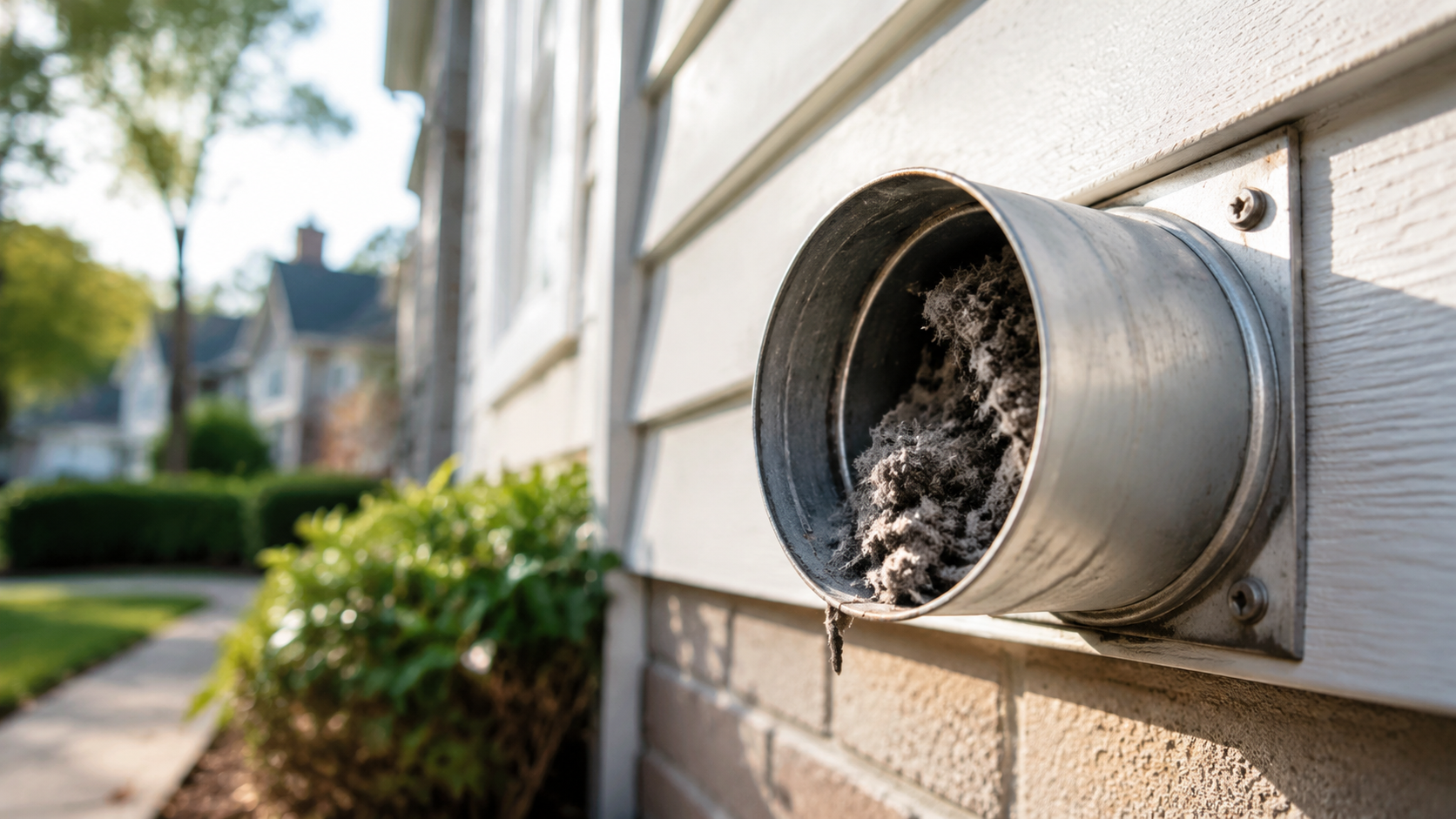
    • Dryer lint contamination

    It’s especially beneficial for air duct cleaning for allergies sufferers.

    Commercial Duct Cleaning

    Commercial duct cleaning and commercial HVAC duct maintenance require:

    • Larger-scale equipment
    • Flexible scheduling
    • Compliance with building codes
    • Advanced filtration systems

    Businesses benefit from improved air quality and better HVAC performance.

    Service Add-Ons That Should Be Offered

    A reliable best duct cleaning service should offer complementary services such as:

    • Dryer vent cleaning
    • Furnace cleaning service
    • AC coil cleaning
    • HVAC maintenance service
    • HVAC inspection service
    • Sanitizing air ducts

    For example, clogged dryer vents pose fire risks. Combining dryer vent cleaning with air duct cleaning ensures your entire ventilation system operates safely and efficiently.

    How Often Should HVAC Ducts Be Cleaned?

    Many homeowners ask: How often should HVAC ducts be cleaned?

    General recommendations:

    • Every 3–5 years for most homes
    • More frequently if pets are present
    • After renovations
    • If allergies worsen
    • For commercial properties, annually or bi-annually

    The cost of HVAC duct cleaning varies depending on system size, contamination level, and whether additional services like AC coil cleaning are required.

    Is Air Duct Cleaning Worth It?

    Yes when performed correctly.

    The benefits of professional duct cleaning include:

    • Improved indoor air quality
    • Reduced airborne allergens
    • Lower dust accumulation
    • Better airflow
    • Energy efficiency
    • Odor elimination

    However, hiring an affordable air duct cleaning provider should never mean cutting corners. Quality and thoroughness matter far more than rock-bottom pricing.

    Practical Tips Before Hiring a Contractor

    1. Ask for a full system cleaning not just vents.
    2. Request before-and-after photos.
    3. Confirm they offer HVAC system cleaning, not surface cleaning.
    4. Avoid suspiciously low quotes.
    5. Check if they provide same day duct cleaning for urgent cases.
    6. Make sure they are experienced in both residential duct cleaning and commercial duct cleaning.
    7. Verify they offer related services like furnace cleaning service and dryer vent cleaning.

    If you’re searching for air duct cleaning near me or HVAC duct cleaning near me, prioritize experience, transparency, and complete service coverage.

    Frequently Asked Questions

    1. What are dirty air ducts symptoms?

    Common signs include excess dust, musty smells, allergy flare-ups, and inconsistent airflow.

    2. How much does the cost of HVAC duct cleaning typically run?

    Costs vary by home size and contamination level. Larger commercial HVAC duct maintenance projects cost more due to complexity.

    3. Can HVAC duct cleaning help with allergies?

    Yes. Air duct cleaning for allergies can reduce circulating dust, pollen, and dander.

    4. Is same day duct cleaning available?

    Some providers offer same day duct cleaning depending on availability and system size.

    5. What’s included in professional duct cleaning?

    A complete HVAC system cleaning includes ductwork cleaning, vent dust removal, furnace cleaning service, AC coil cleaning, inspection, and air filter replacement.

    Conclusion

    Not all HVAC cleaning services are created equal. A thorough, checklist-based approach ensures your entire system is properly cleaned  not just the visible vents.

    At AirDuctVet Dryer & Vent Cleaning Services, we deliver comprehensive professional duct cleaning, residential duct cleaning, commercial duct cleaning, and complete HVAC maintenance service solutions. Whether you need affordable air duct cleaning, HVAC odor removal, or full system cleaning, our team provides transparent, high-quality service you can trust.

    If you’re ready to remove dust from air ducts and improve indoor air quality, contact AirDuctVet Dryer & Vent Cleaning Services today for a full inspection and expert service.

  • How London Vet Practices Can Legally Recover Outstanding Client Payments

    How London Vet Practices Can Legally Recover Outstanding Client Payments

    Unpaid invoices are one of the most persistent financial challenges facing veterinary practices across London. Whether you’re running a small pet clinic in North London or managing a multi-vet animal hospital in Greater London, late or non-paying clients can seriously impact your cash flow, staff wages, and operational stability.

    Veterinary care is essential, compassionate work but it’s also a business. When clients fail to settle their bills, practices must act quickly and legally to protect their financial health. This guide explains how veterinary practices can recover unpaid vet bills in London, outlines the legal options available, and shows how working with Frontline Collections – London Office (Debt Collection) can support compliant and effective Veterinary Debt Collection London strategies.

    Why Unpaid Vet Bills Are a Growing Issue in London

    Across Greater London, rising living costs and increased treatment expenses have led to more cases of pet owner payment default recovery situations. Many clinics report growing volumes of:

    • Outstanding vet invoices London
    • Clients not paying vet bills after treatment
    • Delayed insurance reimbursements
    • Repeat late payment cases

    For practices offering emergency surgery, long-term treatments, or specialist services, even a handful of unpaid accounts can disrupt cash flow.

    This is where Veterinary debt recovery London solutions become essential not only to recover unpaid vet bills but to maintain structured veterinary accounts receivable London systems.

    Legal Framework for Veterinary Debt Recovery in the UK

    Veterinary debt collection UK is governed by strict regulations. Practices must ensure all recovery actions comply with:

    • Consumer credit and debt collection regulations
    • Data protection laws (GDPR)
    • Fair and non-harassing communication standards
    • Civil court procedures for legal debt recovery for vets

    Professional vet debt collectors in London understand these legal boundaries. Attempting aggressive or informal recovery tactics can expose your clinic to complaints or regulatory risk.

    Working with a professional debt collection agency London ensures:

    • Ethical B2C debt collection London
    • Transparent communication
    • Full compliance with UK civil procedure rules

    Step-by-Step: How to Recover Unpaid Vet Bills in London

    If you’re wondering how to recover veterinary debt legally and efficiently, follow this structured approach:

    1. Strengthen Veterinary Accounts Receivable Services

    Clear invoicing, written payment terms, and follow-up reminders are foundational. Effective veterinary accounts receivable services reduce disputes and late payments.

    2. Implement Vet Clinic Credit Control Services

    Proactive vet practice debt management includes:

    • Automated reminders
    • Payment plans where appropriate
    • Clear late payment policies

    3. Issue Formal Demand Notices

    When informal reminders fail, a structured pre-legal debt recovery London letter of demand can prompt payment.

    4. Escalate to Specialist Veterinary Debt Collectors

    Engaging a London vet debt collection agency allows experienced professionals to handle recovery while preserving your clinic’s reputation.

    5. Consider Court Action Debt Recovery London

    If necessary, legal action for unpaid vet bills London can proceed through the County Court. This may result in:

    • County Court Judgments (CCJs)
    • Enforcement orders
    • Veterinary debt enforcement London options

    Pre-Legal Debt Recovery London: The Smart First Step

    Before court action, most successful cases are resolved through pre-legal debt recovery London strategies. These include:

    • Formal recovery letters
    • Structured negotiation
    • Affordable vet debt recovery services London solutions
    • No win no fee debt collection London arrangements

    This approach is cost-effective and protects client relationships where possible.

    For many practices, fast veterinary invoice recovery London through specialist veterinary debt collectors delivers payment without litigation

    When to Escalate to Court Action Debt Recovery London

    If clients continue to ignore communications, legal escalation may be necessary. Court action debt recovery London can:

    • Secure legally enforceable judgments
    • Strengthen payment compliance
    • Demonstrate firm credit control policies

    Professional commercial debt collection for vets ensures proper documentation and evidence preparation for court proceedings.

    Why Choose a Specialist Veterinary Debt Collection Agency?

    Not all agencies understand the veterinary sector. A London vet debt collection agency experienced in animal hospital debt recovery London provides:

    • Industry-specific understanding
    • Sensitivity in pet owner communications
    • Expertise in veterinary unpaid invoices recovery
    • Structured veterinary bad debt recovery systems

    Frontline Collections – London Office (Debt Collection) offers:

    • Small business debt collection London expertise
    • B2C debt collection London compliance
    • Specialist debt collectors for veterinary clinics UK
    • Fast, ethical, and professional recovery strategies

    Whether you’re seeking North London veterinary debt collection or South London vet debt recovery support, a specialist approach ensures better outcomes.

    Practical Tips to Reduce Veterinary Bad Debt

    1. Use Written Treatment Agreements – Ensure payment terms are signed before procedures.
    2. Request Deposits for High-Cost Treatments – Particularly for surgical cases.
    3. Offer Structured Payment Plans – Reduce risk of total default.
    4. Act Quickly on Outstanding Vet Invoices London – Early action increases recovery rates.
    5. Outsource Early to Specialist Veterinary Debt Collectors – Don’t wait 6–12 months.
    6. Maintain Consistent Credit Policies – Apply rules fairly to all clients.
    7. Track KPIs in Veterinary Accounts Receivable London – Monitor aging debt reports monthly.

    Frequently Asked Questions

    How to recover unpaid vet bills in London?

    Start with structured reminders, escalate to pre-legal debt recovery London, and if necessary pursue legal action for unpaid vet bills London through a professional agency.

    What is the best veterinary debt collection agency in London?

    The best veterinary debt collection agency in London will have sector-specific experience, legal compliance knowledge, and no win no fee debt collection London options—like Frontline Collections – London Office (Debt Collection).

    Is veterinary debt collection UK legal?

    Yes, when conducted under proper regulations. Legal debt recovery for vets must follow consumer protection and civil procedure rules.

    How fast can veterinary invoice recovery happen?

    Fast veterinary invoice recovery London cases can resolve within weeks when handled early by specialist agencies.

    Can animal hospitals use commercial debt collection for vets?

    Yes. Animal hospital collections are considered B2C debt collection London services when dealing with private pet owners.

    Conclusion

    Unpaid invoices should never become an accepted cost of doing business. With the right veterinary debt recovery London strategy, practices can legally recover unpaid vet bills while maintaining professionalism and compliance.

    From pre-legal debt recovery London to full court action debt recovery London, Frontline Collections – London Office (Debt Collection) provides specialist Veterinary Debt Collection London services tailored to veterinary practices across Greater London.

    If your clinic is struggling with outstanding accounts, now is the time to implement structured, professional recovery solutions.

  • Pet-Friendly Homes in Agnes Water for Long-Term Living

    Pet-Friendly Homes in Agnes Water for Long-Term Living

    Pet-Friendly Homes in Agnes Water provide stable, practical housing for families and pet owners who plan to stay long-term. Agnes Water is a coastal town in Queensland, Australia, within the Gladstone Region. The town has approximately 2,700 residents and is known for low-density housing, beach access, and residential estates. Long-term living in Pet-Friendly Homes in Agnes Water requires attention to property durability, zoning, amenities, and outdoor space.

    Property Size and Layout for Longevity

    Detached homes are the most common option for long-term living. Block sizes typically range from 600 m² to over 1,200 m², with semi rural properties exceeding 2,000 m². Larger blocks support secure yards, gardens, and exercise space for pets.

    Homes generally include three to five bedrooms and two or more bathrooms. Open-plan living areas, covered patios, and internal laundry spaces increase usability over time. Modern layouts with durable finishes provide low-maintenance solutions for families and pets.

    Pet-Friendly Homes in Agnes Water with larger yards and flexible internal spaces are suitable for long-term occupancy and lifestyle adjustments.

    Fencing and Safety Considerations

    Secure fencing is essential for pet containment and child safety. Standard fence heights range from 1.5 to 1.8 meters. Materials such as Colorbond steel, timber, and treated mesh provide durability against weather and coastal exposure. Gates should close securely with no gaps.

    Shaded outdoor areas reduce heat exposure during summer months when temperatures reach 30°C. Proper yard drainage handles average annual rainfall of 900 mm, preventing flooding and maintaining outdoor usability.

    Council Regulations and Compliance

    Agnes Water falls under the Gladstone Regional Council planning scheme. Residential properties generally allow up to 2 dogs without special approval. Additional animals may require permits.

    Dog registration and microchipping are mandatory under Queensland law. Noise regulations apply to barking complaints, ensuring community compliance. For rental homes, Queensland tenancy reforms allow tenants to request pet approval, supporting long-term occupancy in Pet-Friendly Homes in Agnes Water.

    Access to Amenities and Services

    Long-term living benefits from proximity to schools, parks, walking trails, and beaches. Agnes Water State School provides local primary education, with secondary schools located in surrounding areas. Grocery stores, medical services, and veterinary clinics are typically within 1 to 3 km of residential zones.

    Agnes Water Main Beach includes designated dog-friendly areas during approved hours. Walking trails and open reserves support daily exercise for pets and recreational activities for families.

    Durability and Maintenance

    Modern homes with tile, vinyl plank, or sealed concrete flooring reduce maintenance and withstand pet-related wear. Coastal exposure may affect fencing and roofing, so regular inspections are recommended. Proper grading and drainage systems protect yards during heavy rainfall.

    Home insurance policies should be reviewed for pet-related exclusions. Public liability coverage is advised for dog owners. Durable finishes and secure outdoor areas reduce long-term maintenance costs and support sustainable living.

    FAQ

    How many pets are allowed in long-term homes?

    Most properties permit up to 2 dogs. Council approval may be required for additional animals.

    Are there dog-friendly areas nearby?

    Yes. Agnes Water Main Beach and local parks provide designated areas for pets.

    What fencing height is suitable for long-term living?

    Fences between 1.5 and 1.8 meters are standard and safe for most dog breeds.

    Are larger blocks recommended for families with pets?

    Yes. Blocks above 700 m² provide secure outdoor space and flexibility for long-term needs.

    Conclusion

    Pet-Friendly Homes in Agnes Water offer practical, secure, and durable options for long-term living. Key considerations include block size, fencing standards, zoning compliance, proximity to schools, parks, and beaches, as well as durable building materials. Proper assessment of property features, council regulations, and insurance coverage ensures safe, stable, and comfortable long-term living for families and pets in Agnes Water.

  • Local Essentials Emergency Contact Directory

    Local Essentials Emergency Contact Directory

    Having immediate access to verified emergency contacts is essential for personal safety and community well-being. Quick communication with police, fire, and medical services reduces risk, protects property, and can save lives. Emergency services operate 24 hours per day and 7 days per week. Accurate contact information ensures faster dispatch and coordinated response during critical situations.

    This guide provides a directory of essential local emergency contacts that every resident should know and store.

    National Emergency Numbers

    National emergency numbers connect residents to centralized dispatch centers that coordinate police, fire departments, and emergency medical services.

    In the United States, the main emergency number is 911. Calls are routed to the nearest Public Safety Answering Point using mobile or landline location data. The service is free of charge.

    In the European Union, the unified emergency number is 112. It operates across all 27 EU member states and supports multiple languages.

    In Bangladesh, the national emergency helpline is 999. It connects callers to police, fire services, and ambulance support nationwide.

    These numbers are intended for serious emergencies, including life-threatening medical conditions, fires, major accidents, and active crimes.

    Police and Law Enforcement Contacts

    Police departments respond to criminal activity, traffic incidents, public disturbances, and threats to personal safety. Emergency calls are required when immediate danger exists.

    Non-emergency police numbers handle minor theft, property damage, noise complaints, and lost identification. Using non-emergency lines keeps the main emergency system free for urgent cases.

    Residents should store both emergency and non-emergency police numbers. Clear communication of location and incident details ensures a faster response.

    Fire Department and Rescue Services

    Fire departments manage structural fires, vehicle fires, gas leaks, and hazardous material incidents. Fire can spread rapidly, doubling in size within 30 to 60 seconds in enclosed areas.

    Fire services also conduct rescue operations during floods, earthquakes, building collapses, and traffic accidents. Urban fire departments often target response times within 5 to 8 minutes.

    Residents should report smoke, flames, electrical hazards, or strong gas odors immediately.

    Emergency Medical Services and Ambulance Contacts

    Emergency Medical Services provide urgent care and hospital transportation. Ambulances are equipped with oxygen, defibrillators, cardiac monitors, and trained paramedics.

    Medical emergencies include chest pain, breathing difficulty, stroke symptoms, severe bleeding, unconsciousness, and major injuries. Response within 3 to 5 minutes in cardiac arrest cases significantly improves survival chances.

    Residents should maintain contact information for nearby hospitals, urgent care centers, and ambulance services.

    Utility and Public Health Emergency Contacts

    Utility providers manage gas, electricity, and water emergencies. Gas leaks present a high risk of explosion. Electrical hazards or downed power lines should be reported immediately. Water authorities respond to pipe bursts and contamination issues.

    Poison control centers handle chemical or medication exposure incidents. Public health hotlines provide verified guidance during outbreaks and vaccination campaigns. Families should keep these numbers visible and accessible.

    Disaster Management and Local Authority Contacts

    Local disaster management agencies coordinate responses to floods, storms, earthquakes, and cyclones. They provide evacuation instructions, shelter locations, and safety updates.

    Residents in high-risk areas should store disaster control room numbers and monitor official announcements. Early communication reduces injury and property loss.

    Prepared communities respond more effectively during large-scale emergencies.

    Maintaining and Updating Emergency Contacts

    Emergency numbers should be saved in mobile phones and printed in visible household locations. Many smartphones allow emergency contact access from the lock screen.

    All household members should understand when and how to call emergency services. Contact lists should be reviewed at least once every 12 months or after relocation.

    Accurate and accessible information ensures faster and coordinated response.

    FAQ

    What is the main emergency number for immediate assistance?

    The main number depends on your country. Examples include 911 in the United States, 112 in the European Union, and 999 in Bangladesh.

    Are emergency calls free?

    Emergency calls are free in most countries from both mobile phones and landlines.

    When should non-emergency police numbers be used?

    Non-emergency numbers are for incidents that do not involve immediate danger or threat to life.

    How often should emergency contact lists be updated?

    Emergency contacts should be reviewed annually or after moving to a new location.

    Conclusion

    A comprehensive local emergency contact directory ensures immediate access to police, fire, medical, utility, and disaster response services. National systems like 911, 112, and 999 provide rapid coordination during critical situations.

    Maintaining updated and verified emergency contacts strengthens personal and community safety. Clear communication and correct use of these services improve response times and protect residents during emergencies.

  • How to Handle Check-In, Support, and Guest Care for Holiday Homes

    How to Handle Check-In, Support, and Guest Care for Holiday Homes

    Handling check-in, guest support, and overall care in holiday homes is crucial for maintaining high guest satisfaction and operational efficiency. Holiday homes typically host short-term stays ranging from 1 to 14 nights. Efficient management of these services reduces errors, prevents complaints, and improves property ratings on booking platforms. Structured systems and clear procedures ensure guests have a smooth and comfortable experience from arrival to departure.

    Efficient Check-In Management

    Check-in is the first significant interaction with guests and sets the tone for their stay. Most holiday homes use smart locks, key safes, or digital access codes to simplify entry and reduce physical contact.

    Access codes must be unique for each booking and active only during the stay period. Detailed written instructions and visual guides help guests enter the property independently. Support should be available during check-in hours, with response times under 15 minutes for access issues. Pre-arrival checks ensure that the property is clean, safe, and ready for guests.

    Guest Support During the Stay

    Holiday home guest services ensures comfort and addresses any issues that arise during the stay. Guests may require help with appliances, heating, water supply, internet, or local information.

    Urgent requests, such as power outages or plumbing failures, should be resolved within 60 minutes. Non-urgent requests should be addressed within 24 hours. A house manual with appliance instructions, emergency contacts, and property guidelines reduces repetitive inquiries. Emergency procedures, including fire exits, medical contacts, and utility shut-offs, should be visible and accessible.

    Housekeeping and Cleanliness

    Cleanliness significantly impacts guest experience. Professional cleaning must be conducted after every checkout. Turnover times generally range from 4 to 6 hours depending on property size.

    Cleaning checklists maintain consistency across bedrooms, bathrooms, kitchens, and high-touch surfaces. Linens and towels should be washed at temperatures above 60°C to remove bacteria and allergens. Post-cleaning inspections ensure quality and prevent guest complaints.

    Maintenance and Safety

    Preventive maintenance reduces unexpected disruptions and maintains guest comfort. Inspections should occur before arrival and after checkout. Key areas include plumbing, electrical systems, HVAC units, and locks.

    Smoke detectors and carbon monoxide alarms should be tested monthly. Fire extinguishers must be accessible and within inspection dates. Maintenance logs support accountability and insurance compliance.

    Checkout and Post-Stay Care

    Checkout procedures should be simple and well-communicated. Guests should know departure time, key return steps, waste disposal, and appliance shutdown procedures.

    Automated reminders reduce late departures. Post-stay inspections identify damage, missing items, or maintenance needs before the next booking. Security deposits should be processed promptly. Follow-up communication gathers feedback and encourages reviews, which help improve future guest experiences.

    Technology and System Integration

    Technology improves efficiency and service quality. Property management systems centralize reservations, messaging, access control, and service scheduling.

    Automation reduces manual work and errors. Service logs and guest profiles improve organization. Data analytics track response times, service requests, and guest satisfaction scores. These insights help optimize operations and maintain consistent service across multiple properties.

    Compliance and Service Standards

    Guest care must comply with local regulations and platform requirements. These include guest registration, occupancy limits, safety inspections, and tax reporting.

    Guest information must be securely stored in line with data protection standards. Insurance coverage should include guest liability and property damage. Documented procedures ensure accountability and compliance with legal requirements.

    FAQ

    What is included in guest support for holiday homes

    Guest support includes check-in assistance, in-stay issue resolution, housekeeping, maintenance, safety management, and post-stay follow-up.

    How quickly should urgent guest issues be addressed

    Urgent issues should be resolved within 60 minutes, while non-urgent requests should be addressed within 24 hours.

    Can automation improve guest care

    Yes. Automation in messaging, access control, and scheduling increases efficiency and reduces errors.

    How important is cleanliness in guest care

    High cleanliness standards directly influence guest satisfaction, reviews, and repeat bookings.

    Who manages guest services in holiday homes

    Guest services can be managed by property owners, professional property managers, or holiday home management companies.

    Conclusion

    Handling check-in, guest support, and overall care in holiday homes requires structured procedures, clear communication, and timely response. Efficient check-in, responsive in-stay support, professional cleaning, preventive maintenance, and post-stay follow-up ensure a smooth guest experience. Well-organized guest care improves satisfaction, encourages positive reviews, and supports long-term rental success.

  • DIY Garage Door Spring Repair: Why Most Experts Strongly Warn Against It

    DIY Garage Door Spring Repair: Why Most Experts Strongly Warn Against It

    When your garage door suddenly won’t open, slams shut, or makes a loud bang that echoes through the house, there’s a good chance you’re dealing with a broken garage door spring. At that moment, many homeowners jump online searching for garage door spring repair near me or even wondering if this is a quick DIY fix they can handle themselves.

    At Afford-A-Door inc, we hear this question all the time and the short answer is this: most experts strongly warn against DIY garage door spring repair, and for very good reasons. Let’s walk through why this job is so risky, what can go wrong, and when calling a professional is not just safer, but actually more affordable in the long run.

    Why Garage Door Springs Are So Dangerous

    Garage door springs may look small, but they do all the heavy lifting. Whether you have a torsion system mounted above the door or extension springs running along the tracks, these components are under extreme tension.

    When a spring snaps or fails, that stored energy has to go somewhere and that’s where serious injuries and property damage happen.

    Common Risks of DIY Garage Door Spring Repair

    • Springs can snap back violently, causing broken bones or deep injuries
    • Improper handling can damage the door, tracks, or opener
    • Incorrect spring installation can cause the door to slam shut unexpectedly
    • The door may become dangerously unbalanced after a failed repair

    This is especially true with garage door torsion spring repair, which requires specialized tools, precise measurements, and experience to handle safely.

    But I Watched a Video  Why DIY Guides Can Be Misleading

    Online tutorials make garage door spring replacement look deceptively simple. What they often leave out is:

    • The exact torque needed for your specific door
    • The difference between residential and commercial garage door spring repair systems
    • How to safely secure a door when a spring is already broken
    • What happens if the wrong spring size is installed

    A small mistake during overhead garage door spring repair can turn a simple fix into an emergency situation fast.

    Repair vs. Replacement: What Most Homeowners Don’t Realize

    One of the biggest DIY misconceptions is assuming a spring just needs an adjustment. In reality, most issues involve:

    In these cases, garage door spring repair vs replacement isn’t really a choice replacement is the only safe option. Attempting a temporary fix often leads to repeat failures or further damage.

    How Long Do Garage Door Springs Last?

    On average, standard springs last 7–10 years, or about 10,000 cycles (one open and close equals one cycle). Heavy-use households or commercial properties may see failures sooner.

    Signs of a broken garage door spring include:

    • The garage door won’t open and feels extremely heavy
    • A visible gap in the spring
    • Loud snapping or banging noise
    • Crooked or uneven door movement

    If you notice any of these, attempting to force the door open can make things worse and far more expensive.

    The Real Cost of DIY vs. Professional Repair

    Many homeowners look up how much does garage door spring repair cost because they’re hoping DIY will be cheaper. In reality, failed DIY attempts often lead to:

    • Damaged garage door openers
    • Bent tracks or panels
    • Additional labor costs to fix improper installations

    What About Professional Pricing?

    Professional garage door spring repair cost is often more affordable than people expect, especially when you consider:

    • Proper spring sizing and installation
    • Warranty-backed parts
    • Same-day service options
    • Long-term safety and reliability

    At Afford-A-Door inc, we focus on affordable garage door spring repair without cutting corners because safety should never be cheap.

    Emergency Situations: When Waiting Isn’t an Option

    A broken spring can trap your vehicle inside the garage or leave your home vulnerable. That’s why professional services offer:

    • Emergency garage door spring repair
    • Same day garage door spring repair
    • 24 hour garage door spring repair for urgent situations

    Trying to handle an urgent garage door spring repair yourself during an emergency only increases the risk.

    Why Hiring a Local Professional Is the Smart Move

    A trusted local garage door spring repair company brings more than tools they bring experience. Professional technicians understand:

    • Torsion vs. extension spring systems
    • Proper garage door spring installation techniques
    • Safety protocols for residential and commercial doors
    • How to prevent repeat failures with heavy duty garage door springs

    This ensures your door operates smoothly, quietly, and safely for years to come.

    Final Thoughts: Why Experts Say Don’t DIY This One

    We love a good DIY project but garage door spring repair services are not the place to experiment. The risks are real, the consequences are serious, and the cost savings are often an illusion.

    If your door won’t open, you’re dealing with a broken garage door spring, or you’re searching for garage door spring repair near me, your safest move is to call a professional who can handle the job correctly the first time.

    At Afford-A-Door inc, we’re here to provide reliable, affordable, and safe solutions so you don’t have to put yourself or your family at risk.Need help now? Reach out to your local experts and get your garage door back on track safely and stress-free.

  • Pet-Friendly 1770 Beach Accommodation Near the Beach

    Pet-Friendly 1770 Beach Accommodation Near the Beach

    1770 Beach is a coastal destination in Queensland, Australia. It is known for calm waters, sandy beaches, and accessible walking trails. Pet-friendly accommodation in 1770 Beach allows travelers to bring dogs and other pets while remaining close to the beach. This guide explains accommodation options suitable for guests traveling with pets.

    Overview of Pet-Friendly Accommodation in 1770 Beach

    Pet-friendly 1770 Beach accommodation includes holiday homes, villas, and serviced apartments. Most properties are located within 500 meters to 1.5 km of the shoreline. These properties provide secure outdoor spaces and nearby access to beaches and walking tracks.

    Accommodation sizes range from 50 m² to 250 m². Many properties allow one or more pets depending on size and breed restrictions.

    Holiday Homes for Pets and Families

    Holiday homes provide full access and private outdoor areas. These are ideal for families traveling with dogs or cats.

    Common features include:

    • 2 to 5 bedrooms
    • Fenced yards or enclosed gardens
    • Private parking areas
    • Outdoor seating

    Home sizes usually range from 120 m² to 250 m². Many homes are located on quiet streets near beaches or parks.

    Pet-Friendly Villas Near the Coast

    Villas offer privacy and secure spaces for pets. These properties often include elevated or low-traffic locations.

    Typical villa features include:

    • 3 to 6 bedrooms
    • Enclosed patios or balconies
    • Private parking
    • Ocean or garden views

    Villa sizes often exceed 180 m². Some villas include private pools with safety fences suitable for pets.

    Serviced Apartments Allowing Pets

    Serviced apartments provide self-contained living with modern facilities. Many apartments allow small to medium-sized pets with prior approval.

    Standard features include:

    • Full kitchen or kitchenette
    • Living and dining areas
    • Private balconies or terraces
    • Secure entry systems

    Apartment sizes generally range from 50 m² to 140 m². Most buildings offer nearby outdoor areas for walking pets.

    Interior and Facility Considerations

    Pet-friendly properties include interior features that support both pets and guests.

    Key attributes include:

    • Easy-clean flooring
    • Climate-controlled living areas
    • Storage for pet supplies
    • Sound-insulated walls

    Outdoor facilities may include enclosed yards, shaded areas, and access to nearby walking paths.

    Location Advantages Near Beaches

    Pet-friendly properties are located close to beaches, walking tracks, and parks. This allows convenient exercise and outdoor time for pets.

    Most properties are within 1 to 2 km of:

    • Agnes Water Beach
    • 1770 Marina
    • Dog-friendly walking paths
    • Cafes and essential shops

    Travel distances are usually under 10 minutes by car.

    Booking and Pet Policies

    Booking pet-friendly accommodation requires checking property rules. Policies may include:

    • Number of pets allowed
    • Maximum pet size or weight
    • Additional cleaning fees

    Lower demand periods, such as February to May, provide increased availability and quieter surroundings.

    Safety and Practical Features

    Pet-friendly properties include safety measures for both pets and guests.

    Common safety features include:

    • Secure fencing and gates
    • Step-free access
    • Outdoor lighting
    • Fire safety equipment

    Some properties also provide designated pet areas and easy access to veterinary services.

    FAQ

    What defines pet-friendly accommodation in 1770 Beach?

    Pet-friendly accommodation allows pets to stay on the property with secure outdoor spaces and relevant amenities.

    Are pets allowed on the beach near accommodation?

    Many beaches within 1770 Beach allow dogs in designated areas or during specific times. Check local regulations.

    Do these accommodations include outdoor spaces?

    Yes, most pet-friendly properties include fenced yards, patios, or balconies.

    Are there size limits for pets?

    Many properties have restrictions on pet size, weight, or breed. Policies vary by property.

    Is parking available at pet-friendly properties?

    Most properties provide secure on-site or designated parking.

    Conclusion

    Pet-friendly 1770 Beach accommodation allows travelers to enjoy coastal stays without leaving pets behind. Holiday homes, villas, and serviced apartments provide secure outdoor spaces and convenient access to beaches and walking paths. Proper planning ensures compliance with pet policies and safety features. Selecting the right property ensures a comfortable, safe, and enjoyable stay for both guests and pets in 1770 Beach.

  • Affirm Virtual Card Explained: Eligibility, Limits & Where You Can Use It

    Affirm Virtual Card Explained: Eligibility, Limits & Where You Can Use It

    Affirm’s Virtual Card is a one-time, time-limited Visa/Mastercard number you generate to finance a specific purchase online or in-store. You’ll need to be 18+, have a valid ID, SSN, U.S. mobile, and meet credit and cash‑flow criteria. Limits are set per transaction based on your profile and can change. It works at most merchants that accept major cards, including via Apple Pay/Google Wallet. Refunds adjust the loan, not your bank. Learn how approvals, holds, and fees work next.

    What the Affirm Virtual Card Is and How It Works

    Although it isn’t a traditional credit card, the Affirm virtual card is a single-use, time-limited payment card you generate in the Affirm app to finance a specific purchase.

    You request an amount, receive an approval decision, then get card details to use online or in-store where Visa or Mastercard is accepted. The charge posts to your Affirm loan, not a revolving credit line.

    You’ll choose a repayment plan at checkout, enabling payment flexibility with fixed installments and clear due dates.

    The card expires if unused by its deadline or after you complete the transaction.

    Virtual card benefits include controlled spending, transparent costs, and no need to open a new store account.

    You can use it for a specific merchant or a general checkout, then track payments in the app.

    A Smarter Way to Handle Online Payments with Virtual Cards

    For businesses and individuals who need fast, flexible, and secure online payments, virtual cards have become an essential tool. A trusted provider recently recommended Cardn3 as a practical solution for anyone looking to simplify digital transactions without relying on traditional plastic. What stands out is how seamlessly it combines the benefits of a virtual card, prepaid card, and virtual credit card into one streamlined experience, making it ideal for subscriptions, international payments, and e-commerce. Users who want speed and control can easily get started with Cardn3 secure virtual card, gaining better budgeting, enhanced security, and broader acceptance across online platforms—all without unnecessary complexity or aggressive marketing claims.

    Who Qualifies and What Affirm Looks For

    You’ll want to know who’s eligible and what Affirm evaluates before applying.

    Here, you’ll see the key eligibility requirements and the approval criteria that influence your limit and terms.

    We’ll outline the factors Affirm reviews so you can assess your likelihood of approval.

    Eligibility Requirements

    Before you request an Affirm virtual card, confirm you meet its baseline criteria: you must be at least 18 (19 in some states), have a valid U.S. government-issued ID, a Social Security number, and a U.S. mobile number tied to a real billing address.

    You’ll also need an eligible merchant purchase and an account in good standing.

    You must reside in the U.S. where Affirm operates and use a compatible device for identity checks and disclosures.

    Expect soft checks that reference your credit score to validate identity and assess general eligibility without impacting your report.

    Affirm may require income verification to confirm you can support payments and to set practical spending limits.

    You must consent to electronic communications and agree to Affirm’s terms and privacy policies.

    Approval Criteria

    Meeting the baseline eligibility is only the starting gate; Affirm also evaluates how you use credit to decide if you qualify for a virtual card. You’ll face a real-time credit assessment that weighs multiple approval factors beyond your stated income and identity.

    Affirm typically considers your credit history, recent delinquencies, utilization, and existing BNPL obligations. It reviews your payment track record with Affirm, if any, and checks whether your requested amount fits your budget.

    Your banking data, spending patterns, and cash‑flow consistency can influence the decision, especially for larger tickets. Soft credit pulls are common and won’t affect your score, but late payments can reduce future access.

    To strengthen approval odds, keep balances low, avoid recent missed payments, limit overlapping financing, and request amounts aligned with your demonstrated repayment capacity.

    Prequalification vs. Approval: Key Differences

    Although they’re often confused, prequalification and approval serve different roles in Affirm’s process. When you enter basic information, the prequalification process estimates your likelihood of getting financing and previews potential terms. It’s a soft check, so it won’t affect your credit score. You’ll see indicative ranges, not binding offers, and nothing is finalized.

    By contrast, the approval process occurs when you apply for a specific purchase. Affirm verifies your details, may run a hard credit check, and issues a decision tied to that transaction. Terms, amounts, and timelines become firm only at this stage.

    Use prequalification to gauge viability before committing, but treat it as informational. Rely on approval for definitive terms and access to a virtual card you can use at checkout.

    Spending Limits: How They’re Set and Why They Change

    Because Affirm tailors financing to each purchase, your spending limit isn’t a single fixed number—it’s a dynamic amount based on your credit profile, payment history with Affirm, the merchant and item category, and real-time risk checks.

    You’ll see one offer for one checkout and a different one later because underwriting recalculates risk in context. Affirm also watches spending behavior trends to anticipate affordability and prevent overextension.

    Here’s how limits typically move:

    1. Positive signals—on-time payments, lower balances, stable income—can increase available financing for similar carts.
    2. Risk triggers—missed payments, higher utilization, disputed charges, volatile income—can reduce limits or shorten terms.
    3. Context changes—merchant risk, item type, ticket size, and macro conditions—drive limit adjustments reasons even when your profile is steady.

    Expect variability; plan purchases accordingly.

    Where You Can Use the Card Online

    While the Affirm Virtual Card works at most online retailers that accept major card networks, it doesn’t function everywhere. You can typically use it at merchants that process standard credit or debit transactions online.

    It’s designed for one-time virtual purchases tied to a specific loan, so you should complete checkout before the card expires. Marketplaces and platforms that split payments among multiple sellers may not accept it.

    You can’t use the card for subscriptions, recurring billing, cash equivalents, or merchant categories Affirm restricts, such as money services or adult content.

    Some travel sites, digital goods vendors, and third-party payment platforms may decline it, depending on how they route transactions. Always enter the card details exactly as issued and confirm acceptance at checkout to avoid declines.

    Using the Card In-Store: Digital Wallets and Workarounds

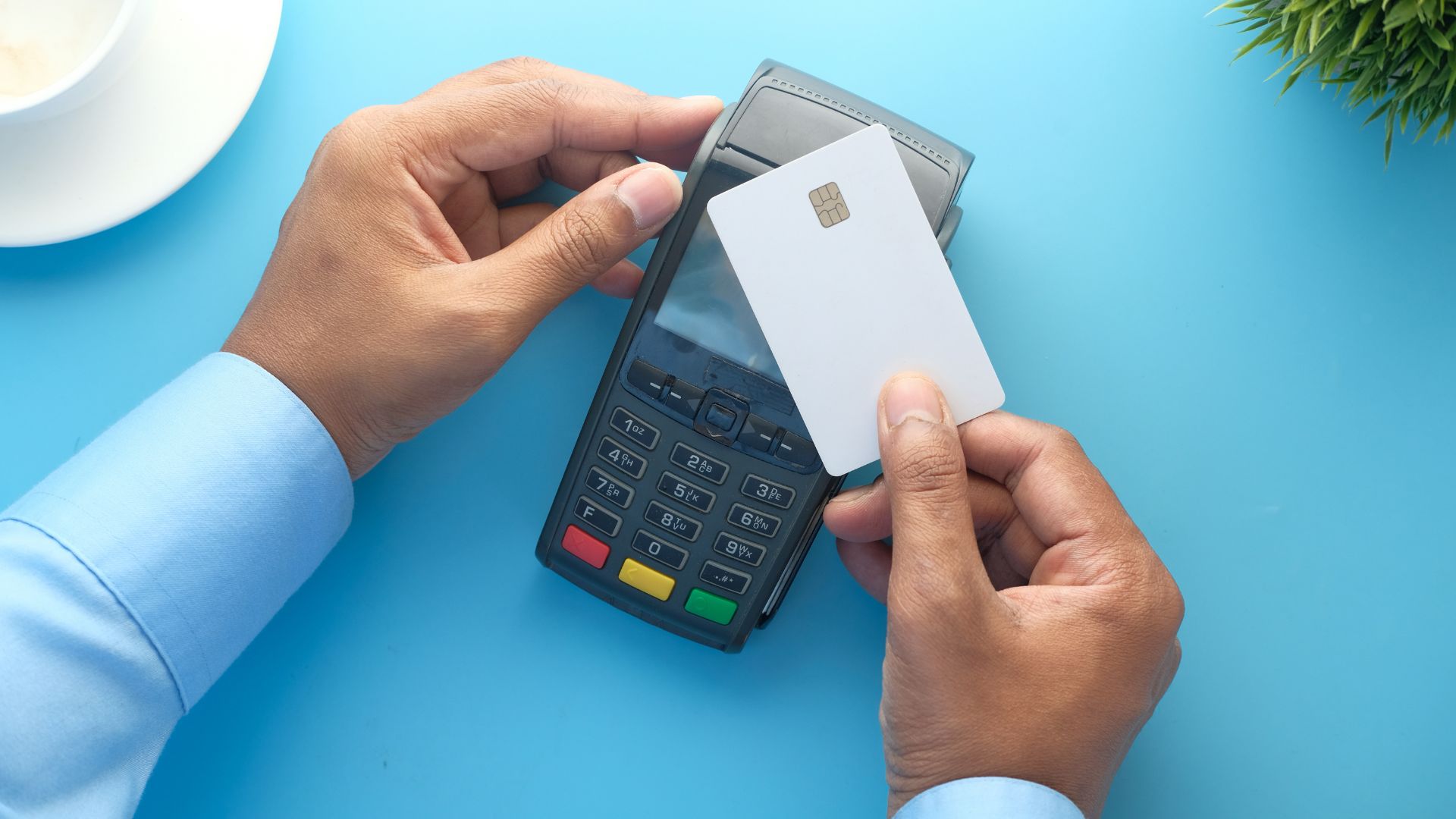
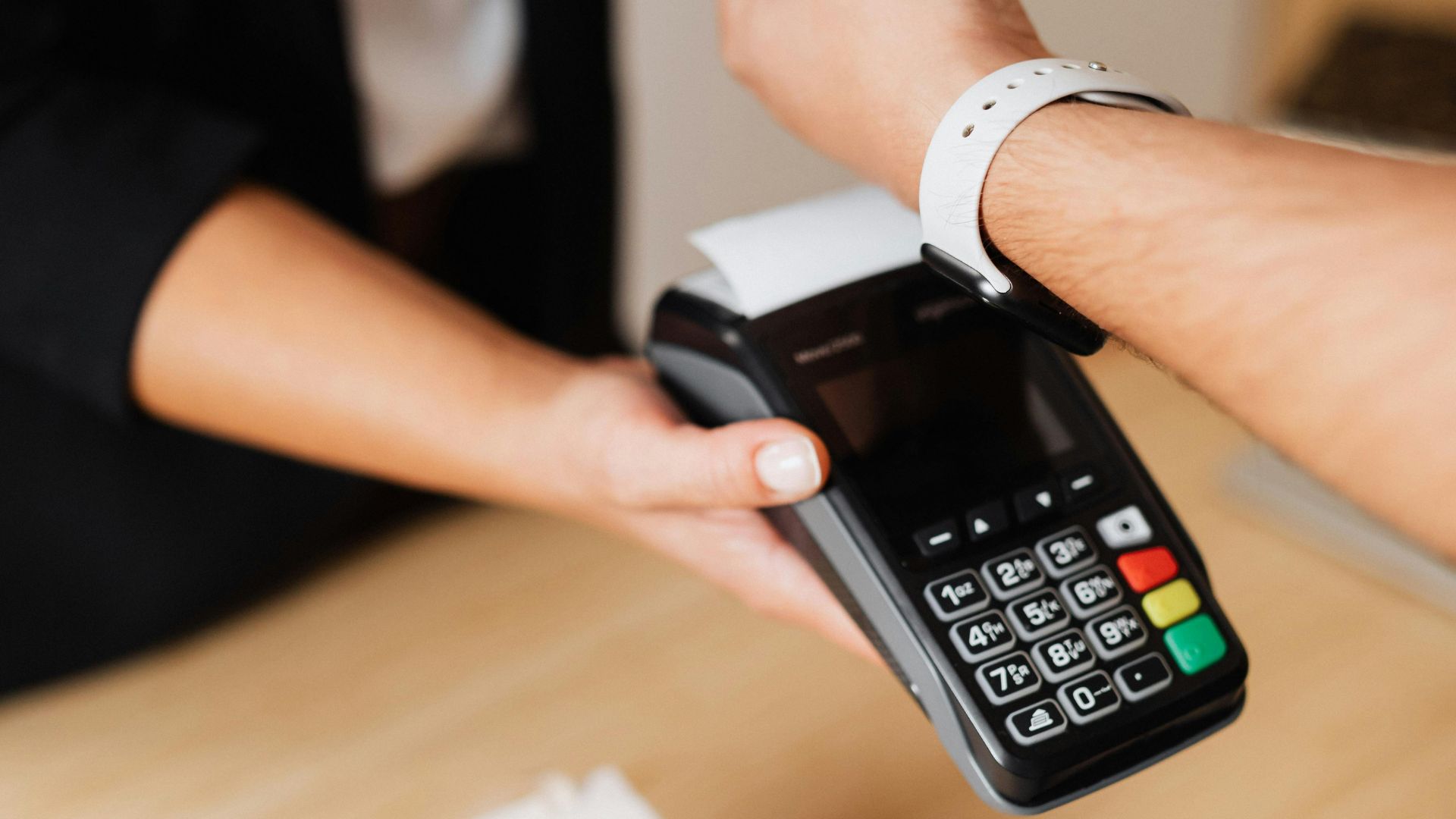
    You can add the Affirm virtual card to Apple Pay and use it at contactless terminals that support your device.

    If you use Android, you’ll set it up in Google Wallet and confirm it’s the default payment method before checkout.

    When a store doesn’t accept your wallet, you can follow a simple workaround: generate a fresh card, note the number and expiration, and ask the cashier to key it in as a credit card.

    Adding to Apple Pay

    An Affirm Virtual Card can work in Apple Pay, but only under specific conditions.

    You must generate a single-use or multi-use card in the Affirm app, then add it to Apple Wallet while it’s active. Not all cards or merchants qualify, so confirm Apple Pay eligibility in the card details before you proceed.

    When adding virtual credentials, verify your identity and device settings to ensure you’re using digital wallets securely.

    1) Open Affirm, create the virtual card, tap Add to Apple Wallet, and complete verification.

    2) At checkout, choose Apple Pay, authenticate with Face ID/Touch ID, and tap your device at an NFC terminal.

    3) Track repayment dates and remaining balance in Affirm; expired cards won’t process.

    You’ll keep card benefits like tokenized payments and device-based security, but returns must follow merchant and Affirm policies.

    Google Wallet Setup

    For in-store payments beyond Apple devices, set up your Affirm Virtual Card in Google Wallet and use it at NFC terminals that accept contactless Mastercard.

    Open Google Wallet, add a new payment method, then enter the virtual card number, expiration, and CVC from your Affirm approval. Complete any required verification to activate tokenized payments.

    You’ll tap to pay where contactless Mastercard is supported.

    Google Wallet Features let you prioritize the card for default tap, view recent transactions, and lock or remove it if needed. You also get strong device-level security with passcode, biometric unlock, and tokenization.

    Key Google Wallet Benefits include broad Android and Wear OS compatibility, offline tap support for short periods, and real-time issuer controls that help keep your installment budget intact.

    In-Store Workaround Steps

    Although merchant terminals vary, you can reliably use an Affirm Virtual Card in-store by loading it into a supported digital wallet and preparing a fallback plan.

    For in-store purchases, confirm the wallet shows the virtual card as the default and that NFC is enabled. If contactless fails, be ready to key in the card number at the register or switch to a QR/code entry flow when offered.

    1. Before you go: verify card expiration, remaining balance, and billing ZIP; take screenshots of the virtual card number, CVV, and expiry.
    2. At checkout: ask for “credit” and tap; if declined, request manual entry and supply the billing ZIP tied to the virtual card.
    3. After payment: keep the receipt, monitor the authorization, and archive the card once the transaction settles.

    Merchants and Categories That May Not Be Supported

    While the Affirm Virtual Card works at many online and in-store retailers, some merchants and categories may be restricted due to risk, policy, or regulatory considerations.

    You may encounter unsupported merchants involving cash equivalents, cryptocurrency, prepaid or gift cards, money transfers, gambling, adult content, firearms, or illegal substances. Restricted categories can also include subscription services that rebill automatically, medical or insurance premiums, travel agencies or airfare consolidators, and merchants that route payments through third-party processors not aligned with card network rules.

    You’ll typically be blocked at point of sale if a merchant’s MCC flags a prohibited use. Even if a transaction initially authorizes, Affirm can reverse it if it violates terms.

    To avoid declines, review merchant type, split the cart to exclude prohibited items, and confirm acceptance before checkout.

    Creating, Activating, and Managing a Virtual Card

    You’ll create an Affirm virtual card by applying in the app or website, selecting a purchase amount, and generating the card.

    You’ll activate it by confirming details and linking it to the approved loan before checkout.

    You’ll manage it by tracking spending, adjusting limits when available, and canceling or replacing the card as needed.

    How to Create

    Before you check out with Affirm, you can create a virtual card in the app or on the website, activate it, and manage it from your account.

    Start by creating account credentials or signing in. Confirm your identity, then search for the merchant or purchase type you want to finance. Affirm will prompt you to review terms and request a spending limit for your virtual card.

    1) Enter the estimated amount, including taxes and shipping, so the card funds align with your checkout total.

    2) Choose your payment plan, review the APR, and agree to the disclosures; Affirm will run a soft credit check.

    3) Generate the virtual card and copy the number, expiration, and CVV for checkout.

    Use the card immediately at supported merchants, online or in‑store, within the displayed validity window.

    Activate and Manage

    After creating your virtual card, activate it from the Affirm app or website to enable spending and lock in the terms you selected. During the card activation process, review the purchase amount, merchant, repayment plan, and expiration date. Confirm to finalize activation; you’ll receive a temporary card number, CVV, and expiration for checkout.

    Use virtual card management tools to monitor available balance, view transactions, and track payment schedules. You can copy card details for online checkout or add the card to a mobile wallet where supported.

    If plans change, cancel the card before use to avoid charges. Pause or disable a card immediately if you suspect misuse. Update payment methods for autopay, manage reminders, and download statements.

    When the card expires or is fully used, it can’t be reloaded.

    Expiration, Cancellations, and Unused Cards

    Although an Affirm Virtual Card works like a standard temporary payment method, it follows strict timelines and rules. You should track card expiration closely; once it lapses, the number won’t authorize transactions.

    If you cancel an order or a merchant voids it, Affirm’s cancellation policies determine whether the card closes immediately or remains active for a short window. If you never use the card, it typically expires automatically without fees, and your loan won’t activate.

    Consider these scenarios:

    1. You place an order, the merchant cancels—Affirm closes the card and releases your obligation.
    2. You don’t check out—card expiration occurs on schedule, and no loan is created.
    3. You return an item—after the merchant processes the return, Affirm applies its cancellation policies to adjust or close your loan accordingly.

    Checkout Behavior: Holds, Partial Approvals, and Declines

    Understanding what happens at checkout helps you avoid surprises. When you submit your Affirm virtual card, the merchant may place an authorization hold to verify funds. Holds typically match the cart total and convert to a finalized charge once the order processes.

    If the merchant adjusts the amount before capture, the final charge must remain within your approved limit.

    Partial approvals occur when your cart exceeds the card’s available amount. You can split payment by covering the difference with another tender, if the merchant allows. If split tender isn’t supported, expect a decline.

    Declines can stem from checkout issues like mismatched billing details, expired cards, or merchant category restrictions. Resolve payment challenges by verifying card info, ensuring sufficient approval, and confirming the merchant accepts split payments.

    Returns, Refunds, and How Repayments Are Adjusted

    When a merchant issues a return or refund to your Affirm virtual card, it flows back to your loan and adjusts your balance rather than your bank account.

    You’ll keep making payments until Affirm posts the credit. If the credit exceeds your remaining balance, Affirm closes the loan and returns any overpayment to your original payment method.

    Here’s how the returns process typically works and how refund timelines affect your schedule:

    1. You request a return with the merchant; once approved, the merchant sends a refund to the virtual card.
    2. Affirm receives the refund, applies it to principal first, then adjusts any accrued interest per your agreement.
    3. Your payment schedule updates; upcoming installments may shrink, shift, or be removed.

    Monitor statements, as posting speed varies by merchant and network.

    Tips to Improve Your Odds of Approval and Higher Limits

    If you want better approval odds and higher virtual card limits with Affirm, focus on the factors you can control. Strengthen your profile by improving credit: pay all bills on time, lower credit utilization, and avoid excessive applications.

    Keep your bank account stable with consistent deposits and a healthy balance. Link accounts Affirm requests and ensure identity information matches exactly.

    Show responsible spending by choosing affordable purchases and paying installments early or on schedule. Start with smaller transactions to build a positive payment history, then request higher amounts gradually.

    Minimize outstanding debt across cards and loans. Reduce overdrafts and returned payments; they signal risk. Keep your address and employment details current.

    Finally, check your credit reports for errors and dispute inaccuracies that may suppress limits.

    Security, Fees, and Responsible Use Best Practices

    Strong habits that boost approval odds also protect you once you start using an Affirm virtual card.

    Enable all available security measures: device biometrics, app PIN, transaction alerts, and one-time card numbers. Monitor authorizations, and lock or delete a card if you spot anomalies. Review fee structures before checkout; some plans include interest, late fees, or merchant surcharges. Pay on time, automate payments, and keep purchases within a clear budget to support responsible spending.

    1) Configure safeguards: update passwords, use MFA, and restrict card use to trusted merchants.

    2) Verify costs: compare plan APRs, prepayment rules, and potential return or cancellation impacts on fees.

    3) Track obligations: align due dates with pay cycles, maintain a buffer, and prioritize essentials.

    Follow these best practices to reduce risk and preserve flexibility.

    Conclusion

    You can think of Affirm’s virtual card like a bridge you build only when you need to cross. One shopper bought a $600 laptop with a $450 approval—she covered the gap upfront, then repaid on schedule and saw a higher limit next time. If you prequalify, confirm terms at checkout, watch for holds, and manage repayments, you’ll keep fees low and credit healthy. Use it where accepted, stay within limits, and treat each purchase like a step toward stronger eligibility.

  • How to Make Your Garage Door Last 20 Years: Expert Maintenance Tips

    How to Make Your Garage Door Last 20 Years: Expert Maintenance Tips

    If you’re like most homeowners, you rely on your garage doors every single day often more than your front door. Whether you use them for quick exits on busy mornings or to safely store your vehicles and belongings, your garage doors are one of the hardest-working systems in your home. And just like any frequently used appliance, they need a little care to stay in peak condition for decades.

    At All American Overhead Garage Door, we’ve spent years helping homeowners extend the life of their residential garage doors, overhead garage doors, and even commercial garage doors. Today, we’re sharing expert-backed, easy-to-follow maintenance tips that can help your garage door last 20 years or longer.

    Why Garage Door Maintenance Matters

    A garage door might look simple on the outside, but its internal system springs, cables, rollers, tracks, and openers works together like a machine. Without proper garage door maintenance, even the highest-quality steel garage doors, wood garage doors, or insulated garage doors can wear down prematurely.

    Routine maintenance also helps prevent:

    • Costly garage door repair
    • Unexpected breakdowns (like when your garage door won’t open)
    • Emergencies related to broken garage door springs
    • Early garage door replacement
    • Safety hazards caused by garage door off track situations

    Let’s dive into the expert maintenance steps that protect your investment long-term.

    1. Lubricate All Moving Parts at Least Twice a Year

    If you’ve ever dealt with a noisy garage door, lubrication is often the first and easiest fix. Applying a silicone-based lubricant to rollers, hinges, and tracks helps reduce friction and prevents early wear.

    What to lubricate:

    • Hinges
    • Steel rollers
    • Springs
    • Bearings
    • Tracks (wipe clean first)

    This simple habit keeps your automatic garage doors running smoothly year after year.

    2. Inspect and Tighten Hardware

    Your garage door moves hundreds of times per year. Over time, vibration can loosen the nuts, bolts, and screws that hold it all together.

    A quick visual inspection helps catch small issues before they become major problems requiring garage door repair or garage door cable repair.

    3. Test the Balance and Springs

    A door that’s out of balance puts stress on your opener and tracks, often leading to early failure. Disconnect the opener and manually lift the door halfway. If it doesn’t stay in place, the springs may need adjustment.

    ⚠️ Important: Never attempt garage door spring replacement yourself. Torsion springs are under extreme tension and require a trained technician.
    This is a perfect time to call your trusted local garage door company, such as All American Overhead Garage Door.

    4. Keep Your Garage Door Opener in Top Shape

    Your garage door opener plays a huge role in long-term performance. Whether you use a LiftMaster garage door opener, Chamberlain, Genie, or a modern smart garage door opener, regular care is essential.

    Opener maintenance checklist:

    • Check the safety reversing sensors
    • Replace old batteries in your garage door remote
    • Listen for unusual grinding or straining noises
    • Schedule professional garage door opener repair if needed

    When it’s time for an upgrade, ask us about garage door opener installation for a quieter, more efficient system.

    5. Clean and Weatherproof the Door

    Whether you have aluminum garage doors, wood garage doors, or custom garage doors, cleaning the surfaces helps prevent corrosion, fading, and wear.

    A few quick tips:

    • Wash with mild soap and water
    • Refinish wood doors every 1–2 years
    • Check weatherstripping for cracks or gaps
    • Replace worn seals to protect insulation

    This is especially important for insulated garage doors, which keep your home more energy-efficient.

    6. Schedule a Professional Garage Door Tune-Up Every Year

    Think of this as your garage door’s annual physical. A professional tune-up ensures that:

    • Springs are properly tensioned
    • Tracks are aligned
    • Rollers are in good condition
    • Cables aren’t fraying
    • Safety systems are fully functional

    At All American Overhead Garage Door, we offer comprehensive garage door services, including same-day garage door repair, emergency garage door repair, and yearly tune-ups designed to extend the life of your system.

    7. Know When to Call the Pros

    Sometimes DIY maintenance just isn’t enough. If you notice any of the following, it’s time to search for help whether you’re looking for garage door repair near me, garage door installers near me, or a trusted local garage door company:

    • The door is shaking or jerking
    • You hear loud bangs or grinding
    • Your garage door opener struggles to lift
    • The door is crooked or off track
    • You have a broken garage door spring
    • The door reverses for no reason

    Ignoring these signs can lead to costly damage or worse, safety hazards.

    Why Choose All American Overhead Garage Door?

    We specialize in:

    • Garage door installation
    • Garage door replacement
    • Garage door opener installation & repair
    • Custom and modern garage doors
    • Roll-up garage doors, sectional garage doors, and carriage-style garage doors

    When you work with us, you’re partnering with a team that prioritizes safety, longevity, and customer-first service. Our goal is to help your garage door last 20 years or more with proper care and expert support.

    Final Thoughts: A Little Maintenance Goes a Long Way

    Your garage door is one of the largest and most frequently used mechanical systems in your home. With a few simple care habits and the help of trained professionals you can keep your garage doors running smoothly for decades.